


Knee replacement surgery has come a long way from relying on basic X-rays and manual measurements. Today, advanced imaging and robotic technology allow surgeons to plan every detail before the operation even begins. With CT-based mapping and robotic guidance, procedures can be customized to each patient’s anatomy. Here’s how modern planning improves precision and long-term results.
How CT-Based 3D Planning Improves Knee Replacement Surgery
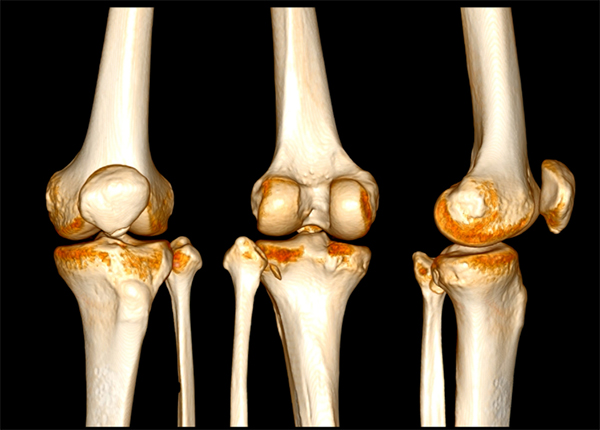
One of the most significant advancements in modern knee replacement surgery is the ability to create a detailed 3D model of the joint before surgery. Instead of relying solely on general measurements or average anatomical guides, surgeons can now study a patient’s specific bone structure.
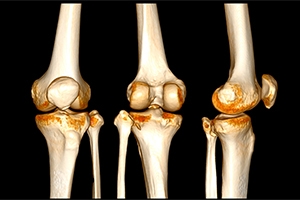
The process begins with a specialized CT scan that produces a high-resolution, three-dimensional representation of the knee. This digital blueprint allows the surgeon to analyze the exact contours of the bones, areas of cartilage loss, and structural changes caused by arthritis. Because every patient’s anatomy is different, this information is critical when selecting the proper implant size and orientation.
Using the 3D model, the surgeon can virtually place the implants on the digital knee before surgery takes place. This step helps determine the most precise alignment and positioning for the artificial joint. By performing this planning in advance, the surgical team can enter the operating room with a well-defined strategy tailored specifically to the patient’s anatomy.
Real-Time Precision with Robotic Assistance
During the actual procedure, the preoperative plan is paired with the robotic technology used in surgery. The Mako SmartRobotics System integrates the CT-based model with the patient’s real-time anatomy on the operating table.
The robotic arm does not replace the surgeon. Instead, it acts as a highly precise tool that helps guide the surgeon’s movements. The system creates a virtual boundary around the areas of bone that need to be treated. This boundary provides haptic feedback, meaning the surgeon receives tactile guidance that prevents bone removal outside the planned surgical zone.
This level of control allows for extremely accurate bone preparation and implant placement. When the joint is reconstructed with this level of precision, it helps preserve healthy bone and surrounding tissues while ensuring the components fit exactly as planned.
Why Accurate Alignment Matters
Proper alignment is one of the most important factors in the long-term success of knee replacement surgery. If the implant is even slightly misaligned, it can place uneven pressure on the joint during movement. Over time, this imbalance may contribute to discomfort or premature wear of the implant.
CT-based planning and robotic assistance help restore the natural mechanical alignment of the leg. By carefully positioning the implant components, surgeons can create a joint that moves smoothly and distributes weight evenly. For patients, this often translates into improved stability, better function, and a knee that feels more natural during daily activities.
A More Personalized Knee Replacement
Modern technology has significantly changed how knee replacement surgery is planned and performed. By combining advanced imaging with robotic precision, surgeons can customize each procedure to match the patient’s unique anatomy. This personalized approach aims to improve accuracy, protect surrounding tissues, and support long-term implant performance.
For patients considering knee replacement, the journey toward improved mobility often begins well before the day of surgery. With detailed planning and data-driven technology, the goal is simple: to create a stable, well-aligned joint that supports an active and comfortable life.
Frequently Asked Questions
- Why is a CT scan used before knee replacement surgery?
A CT scan creates a detailed 3D model of the knee joint. This allows the surgeon to analyze bone structure, arthritis damage, and alignment before surgery, helping develop a personalized surgical plan.
- How does the Mako SmartRobotics System improve knee replacement surgery?
The Mako system uses CT-based planning to guide the surgeon during the procedure. It provides real-time feedback that helps ensure precise bone preparation and accurate implant placement.
- Does robotic knee replacement replace the surgeon?
No. The surgeon remains fully in control throughout the procedure. The robotic system simply provides guidance and safety boundaries that help improve accuracy and consistency.
- Can robotic-assisted knee replacement help implants last longer?
Precise alignment and accurate implant positioning can reduce uneven wear on the joint. This may improve stability, function, and the long-term durability of the knee replacement.
Reference Links:
New Technologies in Knee Arthroplasty: Current Concepts - National Library of Medicine
AUTHOR: Nathan Odor, M.D. – Orthopedic Hip & Knee Surgeon
Nathan Odor, M.D. is a board-certified and fellowship-trained orthopedic surgeon at the Oklahoma Joint Reconstructive Institute, specializing in hip and knee replacement, including complex primary and revision procedures. Dr. Odor is committed to helping patients regain mobility, reduce pain, and improve quality of life through personalized, patient-centered care across Oklahoma.
Credentials & Recognition
Dr. Odor earned his medical degree from the University of Oklahoma College of Medicine, where he also completed his residency in orthopedic surgery. He completed a fellowship at the Colorado Orthopaedic Research Institute focused on advanced hip and knee reconstruction. Dr. Odor is board-certified and fellowship-trained, with specialized expertise in robotic-assisted surgery and the direct anterior approach for hip replacement.
Clinical Expertise
Dr. Odor is a member of the American Academy of Orthopaedic Surgeons (AAOS) and specializes in minimally invasive hip and knee replacement, robotic-assisted joint surgery, and personalized recovery protocols. He emphasizes patient education, compassionate care, and innovative surgical techniques to enable faster recovery and optimal long-term outcomes. His approach integrates advanced technology with evidence-based pain management to support safer, more efficient rehabilitation.
Medical Disclaimer: This information is for educational purposes only and does not constitute medical advice. For diagnosis and treatment recommendations, please consult with Dr. Nathan Odor or another qualified orthopedic specialist.
Content authored by Dr. Nathan Odor, M.D., and verified against official sources.